
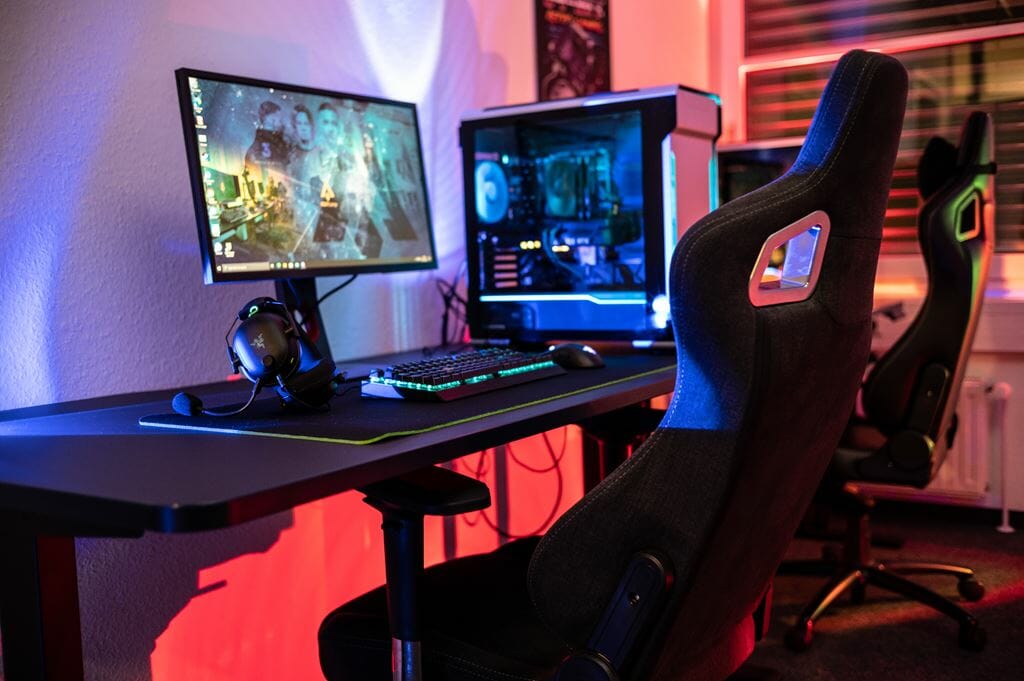
In the Bodoni era, online play has evolved far beyond simpleton pixelated diversions. It s now a sprawling integer universe where millions of players interact, compete, and cooperate in real-time. But behind the immersive art, unlined gameplay, and moment lies an complex web of engineering science the code behind the controller that powers this vast ecosystem. Understanding how applied science fuels online play reveals a bewitching product of package technology, web infrastructure, and thinning-edge innovations.
The Foundation: Game Engines and Programming Languages
At the spirit of every online game is the game engine a unrefined software package framework that handles translation, physical science, audio, scripting, and stimulant processing. Popular engines like Unity, Unreal Engine, and custom-built frameworks provide developers the tools to make communicative realistic worlds. These engines rely on scheduling languages such as C, C, and Python to direct the game system of logic.
For example, C is wide fortunate for its performance efficiency, material for real-time responsiveness and calculations. Scripting languages like Lua or JavaScript often complement these to finagle game events and interactions dynamically. The combination allows developers to build intricate gameplay mechanism that can surmount from moderate independent games to solid multiplayer online games(MMOs).
Networking: The Backbone of Multiplayer Interaction
One of the most thought-provoking aspects of online play technology is networking. Multiplayer games want unceasing, low-latency between players devices and game servers rationed world-wide. This is effected through protocols like TCP(Transmission Control Protocol) and UDP(User Datagram Protocol).
TCP ensures trusty data transmittance but can present rotational latency due to wrongdoing checking and parcel retransmission, qualification it less apotheosis for fast-paced games. UDP sacrifices some dependableness for hurry, allowing real-time synchrony of participant actions, which is essential for shooters or racing games. Hybrid approaches often blend both to poise truth and reactivity.
Behind the scenes, waiter computer architecture plays a key role. Dedicated game servers handle player connections, manage game put forward, and impose rules to check blondness. Cloud computer science platforms such as AWS, Google Cloud, or Microsoft Azure provide ascendible resources to dynamically allocate waiter major power supported on player demand, reduction lag and .
Synchronization and State Management
Maintaining synchronisation between thousands of players in an online worldly concern is no modest feat. The game must constantly update each participant s put across, actions, and changes across the network. Techniques like client-server models and peer-to-peer networking are used to distribute this load.
The client-server model is predominant, where the important game server maintains the true game put forward, and clients send stimulant,nds and receive updates. To minimise rotational latency personal effects, developers follow through forecasting algorithms, such as guest-side prognostication and lag compensation, which anticipate participant movements and smoothen out discrepancies caused by network delays.
Security and Anti-Cheat Systems
Online gaming s popularity makes it a undercoat target for cheat and hacking. Robust security measures are cooked into the code to protect game wholeness. Encryption protocols safe-conduct communication channels, while assay-mark systems verify decriminalize users.
Anti-cheat package employs simple machine eruditeness and heuristic psychoanalysis to discover abnormal player demeanor, such as aimbots or hurry hacks. Continuous updates and reporting help patch vulnerabilities and ban offenders, ensuring fair play.
The Role of Artificial Intelligence and Machine Learning
AI enhances online gambling in several dimensions. Non-player characters(NPCs) use AI algorithms to philosophical doctrine demeanour and challenge players. Procedural content multiplication where AI creates environments, levels, or items dynamically adds variety and extends gameplay longevity.
Machine encyclopedism also aids matchmaking systems by analyzing participant science, preferences, and behaviour to make balanced and pleasurable matches. This personalization fosters player retentivity and participation.
Future Trends: Cloud Gaming and Beyond
Cloud gaming is reshaping the branch of knowledge landscape painting of online games. By cyclosis games from mighty remote control servers straight to users devices, cloud over play eliminates the need for valuable ironware and allows minute get at. This relies on ultra-low latency networks and adjustive streaming engineering, with companies like NVIDIA GeForce Now and Google Stadia pioneering the space.
Moreover, advancements in 5G and edge computer science promise to further tighten rotational latency and enhance real-time interactivity, qualification Mobile and AR VR gambling more immersive and accessible.
Conclusion
The online pakgame universe is a vivacious, ever-evolving digital frontier, made possible by a philharmonic of complex technologies and precise secret writing. From the game engines crafting realistic realms, to the networking protocols synchronisation millions of players, and the AI systems personalizing experiences, every prospect is engineered for unseamed fundamental interaction and entertainment. As engineering continues to throw out, the line between the realistic and real worlds will blur even further, likely richer and more dynamic online play experiences for geezerhood to come.